7 Signs Your Patio Needs Professional Pressure Cleaning
A patio can look reasonably clean while still carrying slippery growth, embedded dirt or stubborn stains. In Glenelg, coastal exposure, windblown sand and shaded outdoor areas can make patio maintenance particularly important. Recognising the warning signs helps you arrange cleaning before contamination becomes harder to remove or creates a safety concern.
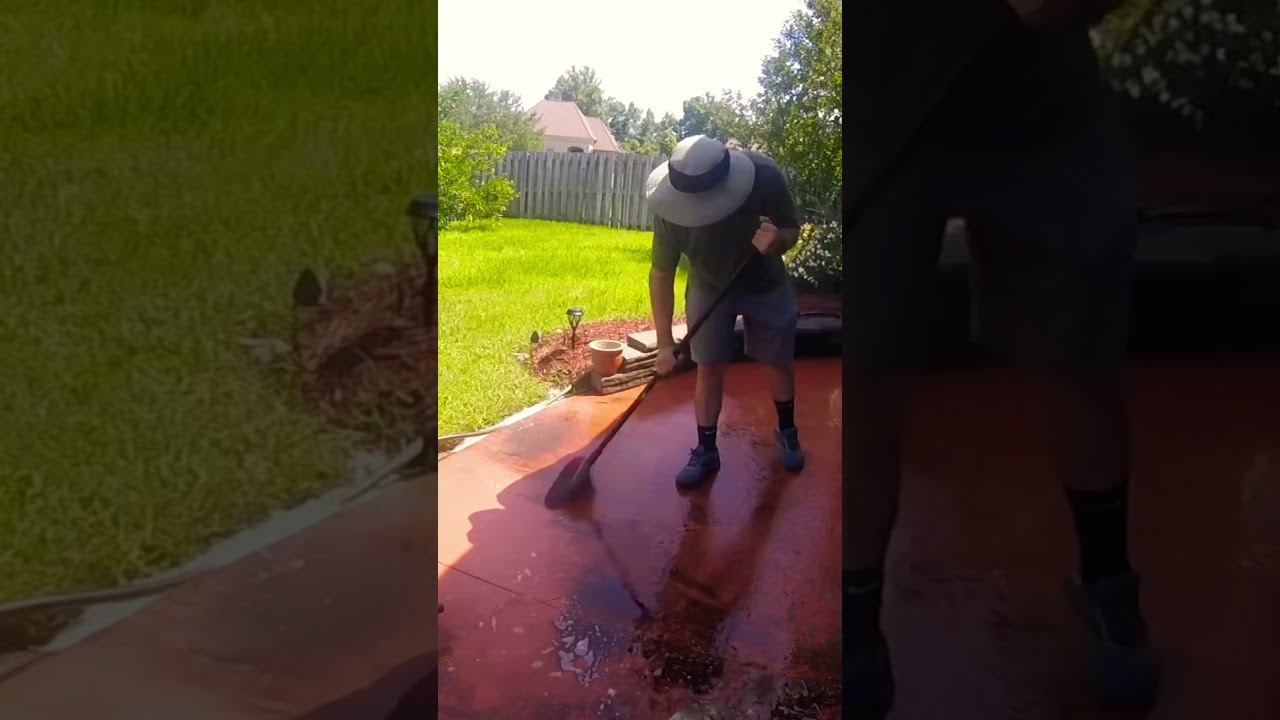
Professional pressure cleaning should suit the surface, not simply use the highest pressure available. Concrete, natural stone, clay pavers and outdoor tiles require different techniques. Here are seven signs it may be time to get professional advice.
1. The Surface Becomes Slippery When Wet
If your patio feels slick after rain or watering, algae or other biological growth may be contributing. These deposits commonly develop in shaded sections, around pots and near areas that stay damp.
Restrict access to particularly slippery sections and check for leaking taps, irrigation overspray or blocked drainage. Professional cleaning can remove surface growth, but correcting the moisture source helps reduce its return.
2. Green, Dark or Patchy Growth Keeps Returning
Green films, moss and dark patches can indicate biological contamination, although colour alone does not identify the cause. A quick rinse may remove loose material without addressing deposits attached to the surface or lodged in joints.
A professional can assess whether the patio needs pressure cleaning, a suitable surface treatment or a combination of methods. Nearby plants, pets and the material being cleaned should all be considered when choosing cleaning products.

3. Sweeping and Gentle Washing No Longer Lift the Dirt
Windblown sand, soil and organic debris can accumulate in textured paving and porous concrete. Around Glenelg, coastal conditions can add to the cleaning load, particularly on exposed patios.
If sweeping and washing with a surface-compatible cleaner leave the patio looking grey or uneven, embedded grime may need more thorough treatment. Avoid repeatedly increasing pressure on a home pressure washer: concentrated jets can etch concrete, damage softer stone and dislodge jointing material.
4. Food, Oil or Rust Stains Remain Visible
Barbecue grease, spilled drinks, metal furniture and plant pots can leave stains that ordinary washing does not remove. Different stains need different treatments, and pressure alone may not resolve them.
Blot fresh oily spills promptly rather than washing them across the patio. Before treating older marks, identify the paving material and likely stain source. Acidic cleaners can damage acid-sensitive stone such as limestone and marble. Ask a professional to test a small, inconspicuous area and explain any limits on stain removal.
5. Weeds and Debris Are Filling the Paving Joints
Weeds, moss and accumulated soil between pavers can make a patio look neglected and complicate routine maintenance. Cleaning may help clear the joints, but excessive pressure can also wash out jointing sand.
Ask whether the service includes assessing the joints and replacing suitable jointing material where necessary. Loose pavers, widening gaps or movement underfoot may require paving repairs rather than cleaning alone.
6. Water Pools or Dirty Runoff Crosses the Patio
Leaves, sediment and surface growth can obstruct drainage points or restrict water movement. If puddles persist after rain, clear accessible debris and observe where the water collects.
Professional cleaning can help when surface buildup is the cause. However, it cannot correct an inadequate slope, settled paving or a damaged drain. Persistent pooling deserves a drainage or paving assessment so the underlying issue is not https://glenelgpressurecleaning.com.au/sanitation-cleaning/ overlooked.
7. You Are Preparing to Reseal the Surface
If your patio is due for resealing, ingrained dirt, algae and stains need attention before a new coating is applied. Sealing over contamination can affect appearance and coating performance.
A professional should assess the existing sealer, identify appropriate preparation methods and allow the surface to dry according to the new product’s instructions. Flaking coatings, crumbling surfaces or loose tiles require investigation before pressure cleaning proceeds.
What to Ask a Glenelg Patio Cleaning Professional
Choose a provider who inspects the patio material and condition before recommending a method. Useful questions include:
- What pressure, equipment and cleaning products suit this surface?
- Will you test an inconspicuous area before cleaning?
- How will you protect plants, adjoining surfaces and paving joints?
- How will wastewater be contained and managed?
- Does the quote include stain treatment, joint replenishment or any necessary follow-up work?
Cleaning wastewater can contain sediment, chemicals and other contaminants. It should not be allowed to enter street gutters or stormwater drains. Ask how the contractor manages runoff in line with applicable South Australian requirements.
Keep Your Patio Cleaner Between Visits
Sweep regularly, remove fallen leaves, clean spills promptly and keep drainage points clear. Address irrigation overspray and check beneath pots for trapped moisture. There is no single cleaning schedule for every Glenelg patio: shade, foot traffic, surface type and coastal exposure all influence how quickly buildup develops.
If your patio shows any of these signs, arrange a surface assessment. The right cleaning approach can improve its appearance and remove slippery contamination without causing avoidable damage.
Glenelg Pressure Cleaning
Unit 3/2-4 Byre Ave, Somerton Park SA 5044
(08) 7282 0893
Ends · SPENCERYYGI716